
On this page
Germans are one of the largest foreign communities in Portugal, from long-settled families in the Algarve to remote workers and surfers on the west coast. The good news first: as an EU citizen you do not need a visa, a consulate appointment or an income threshold to move. Freedom of movement does most of the work.
The bad news is that "no visa" is not the same as "no paperwork". This guide walks through what you actually need to do, in order. Rules change, so check details with official sources (your Câmara Municipal, Finanças, Segurança Social and the German authorities) before you act. Nothing here is legal or tax advice.
Before you leave Germany
- Abmeldung. Deregister your address at your local Bürgeramt when you move out. It matters for German tax residency, health insurance and your Rundfunkbeitrag.
- Health insurance. Talk to your Krankenkasse before you go. Your EHIC (the European health insurance card) covers temporary stays, not living abroad. If you draw a German statutory pension, ask about the S1 form, which lets you register for Portuguese state healthcare with the cost covered by Germany.
- Documents. Bring your passport or ID card, birth and marriage certificates if relevant, and proof of income or employment. Portuguese offices like paper.
The paperwork in Portugal, in order
1. Get your NIF
The NIF is your Portuguese tax number, and you will need it to rent a flat, open a bank account, sign up for internet or buy a car. As an EU citizen you can get it at any Finanças office with your ID. Our NIF guide explains the process and the online alternatives.
2. Find somewhere to live
Rent first if you can. Long-term rentals should be registered with Finanças by the landlord; a registered lease makes every later step easier. Our best places to live and cost of living guides help you shortlist areas.
3. Register as an EU citizen
If you stay longer than three months, you register your residence with the Câmara Municipal (the town hall) where you live and receive a Certificado de Registo de Cidadão da União Europeia. You will typically need your ID, proof of address and a declaration of how you support yourself: employment, self-employment, a pension or sufficient means. Some Câmaras also ask for an atestado de residência from your Junta de Freguesia.
The certificate is valid for five years. After five years of continuous legal residence you can apply for permanent residence.
4. Social security and healthcare
- Get your NISS (social security number) from Segurança Social if you will work or be self-employed in Portugal.
- Register at your local Centro de Saúde to get a número de utente for the national health service (SNS). If you have an S1, register it with Segurança Social first.
- Many expats keep private health insurance as well, because public waiting times can be long.
5. Tax residency
If you spend more than 183 days a year in Portugal or have your habitual home there, you will generally become Portuguese tax resident and must update your address with Finanças. Portugal and Germany have a double taxation agreement; how your income and pension are taxed depends on what kind they are. German civil service pensions (Beamtenpensionen) are generally handled differently from statutory and private pensions, so get advice from someone who knows both systems before you move.
The old NHR tax regime closed to new applicants in 2024. Its successor targets specific qualified professions and research roles rather than pensioners in general.
Driving and your car
- Your German driving licence stays valid in Portugal, because it is an EU licence. There is no exchange required.
- A German-registered car is different. If you become resident, you will eventually need to register the car in Portugal, and vehicle tax (ISV) can apply. Exemptions exist for people transferring their residence, under conditions and deadlines. Check them before you ship a car, because for many people buying locally works out cheaper.
Citizenship
Portugal changed its citizenship rules in 2026, lengthening the residence requirement for many new arrivals from the previous five years, with different periods for some groups and transitional rules for people already resident. As an EU citizen you may also have no need to naturalise at all, since you already have the right to live and work in Portugal. If you do want a Portuguese passport, check the final law for your arrival date, and plan for an A2 Portuguese certificate. Our A2 test guide explains the CIPLE exam.
Where Germans tend to settle
The Algarve (Lagos, Aljezur, Tavira) has a long-established German community, along with the Alentejo coast. Lisbon and the Sintra/Cascais area attract younger professionals and families, while Madeira has a strong German presence of its own. Ericeira and Peniche draw surfers year round.
The language: learn it before you need it
Many Portuguese people speak excellent English, some speak German, and you can get surprisingly far without Portuguese in the Algarve. But the Câmara, the Centro de Saúde, Finanças and your neighbours run in Portuguese, and it is the fastest way to stop feeling like a long-term tourist.
Make sure it is European Portuguese. Most courses teach Brazilian Portuguese, which sounds very different and uses different words for everyday things.
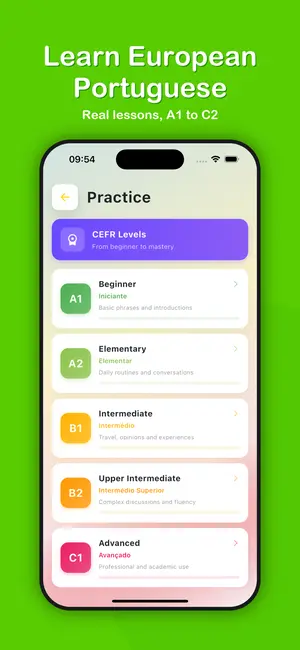
Portugal Lifestyle Pro teaches the Portuguese spoken in Portugal, with culture and history built into the lessons and guides to NIF and residency inside the app. The lessons are taught in English. Expats In Portugal lets you practise conversations in a little Portuguese town before you move into a real one.
Get Portugal Lifestyle Pro on the App Store →
Checklist
- Abmeldung and a conversation with your Krankenkasse (and the S1 if you are a pensioner).
- NIF at Finanças.
- A registered lease.
- EU registration certificate at the Câmara after three months.
- NISS, número de utente and tax residency updated.
- Tax advice on your pension and income before, not after, the move.
- A head start on European Portuguese.
Coming from elsewhere? Read our guides for moving from the US, the UK and Australia, or start at our Moving to Portugal hub.
Written by PG App Studios
An independent app studio in the Algarve run by Pedro Gregório. We write about the problems our apps solve, from learning European Portuguese to raising a toddler.