
On this page
Portugal built its reputation as an affordable European destination — and for many people it still is. But "affordable" now depends heavily on where in Portugal you live. Central Lisbon can rival Northern European cities for rent, while an inland town might cost a fraction of that. If you are planning a move in 2026, here is a realistic look at what it costs to live in Portugal, category by category.
An honest caveat: prices vary enormously by city, neighbourhood, lifestyle, and timing, and they have been rising in the popular areas. All figures below are rough ranges to give you a feel, not guarantees — verify current prices for the specific places you are considering.
The big picture: location is everything
The single biggest factor in your budget is geography. Roughly speaking:
- Central Lisbon and Porto — the most expensive, especially for rent, driven by tourism and international demand.
- Suburbs and mid-size cities (Cascais aside, which is pricey) — noticeably cheaper than the city centres.
- The interior and smaller towns — dramatically more affordable, though with fewer jobs and amenities.
Two people with identical lifestyles can have wildly different budgets depending purely on whether they chose a trendy Lisbon neighbourhood or a quiet town in the Alentejo.
Rent — the make-or-break cost
Rent is where the location gap hits hardest. Rough monthly ranges for a one-bedroom apartment:
| Area | Approximate 1-bed rent (monthly) |
|---|---|
| Central Lisbon | High — often the top of the national range |
| Central Porto | High, a bit below Lisbon |
| Lisbon/Porto suburbs | Moderate |
| Mid-size cities (e.g. Coimbra, Braga) | Lower |
| Interior towns | Lowest — sometimes a fraction of Lisbon |
The takeaway: if budget is your priority, looking beyond the two big cities can cut your single largest expense in half or more. Many newcomers rent in a cheaper area for the first year while they get their bearings.
Groceries and everyday food
Groceries in Portugal are generally reasonable, especially if you buy local and seasonal. Fresh produce, bread, local wine, and fish are good value. Imported and international brands cost more.
A few habits that keep grocery bills down:
- Shop at local markets for fruit, vegetables, and fish.
- Buy Portuguese wine — genuinely good and inexpensive.
- Choose local supermarket brands over imported ones.
- Eat seasonally; out-of-season and imported goods carry a premium.
A single person cooking mostly at home can keep groceries quite manageable; a household buying lots of imported products will spend noticeably more.
Transport
Public transport is one of Portugal's better bargains. Cities have monthly passes for metro, bus, and tram that are affordable by European standards, and there are discounted passes in metropolitan areas. Intercity trains and buses are reasonable too.
- Monthly city transport passes are relatively cheap and often the best-value option if you live somewhere walkable and well-connected.
- Owning a car adds insurance, fuel, tolls, and parking — fuel in particular is not cheap by regional standards.
Many people living in central Lisbon or Porto skip car ownership entirely and rely on transit plus the occasional rideshare.
Dining out
Eating out remains one of Portugal's real pleasures and still offers good value compared with much of Western Europe — particularly outside the tourist hotspots.
- A simple lunch menu (prato do dia) at a local tasca is very affordable.
- A casual dinner for two with wine is reasonable away from tourist zones.
- Tourist-area restaurants and fine dining, of course, cost considerably more.
The trick locals use: eat where locals eat. A neighbourhood tasca will feed you well for a fraction of what a restaurant on a famous square charges.
Lisbon/Porto vs the interior
To put it simply:
- Lisbon and Porto offer jobs, international communities, nightlife, and amenities — at a premium, mostly driven by housing.
- The interior and smaller towns offer space, tranquillity, and much lower costs — but fewer job opportunities, thinner services, and you will rely on Portuguese more, since English is less common.
Neither is "better." It depends on whether you value convenience and community or affordability and calm. Plenty of remote workers deliberately choose the interior precisely because their income is location-independent and their costs plummet.
Budgeting tips for a smooth landing
- Rent before you buy. Spend your first year renting so you learn which areas actually suit you before committing.
- Separate the two big cities from everywhere else in your calculations — a national average is misleading.
- Build a buffer. Bureaucracy delays (like AIMA waits) can mean months before you are fully settled and earning locally.
- Live a bit like a local. Local markets, Portuguese brands, transit passes, and neighbourhood restaurants stretch your money enormously.
- Verify current prices for your specific target town — ranges shift, especially in popular areas.
Language: the hidden cost-saver
Here is something budgets rarely capture: speaking Portuguese saves you money and stress. You negotiate rent better, understand contracts, avoid tourist-priced services, and integrate into local life where the good deals actually are — especially in the cheaper interior, where English is far less common.
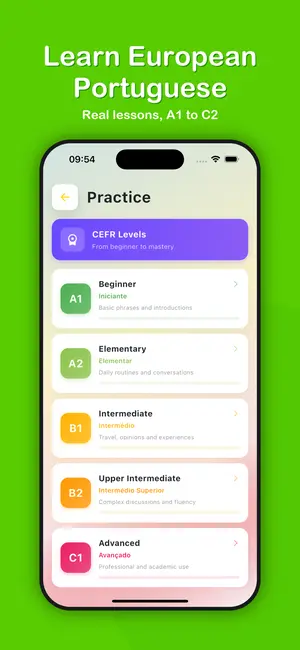
You specifically want European Portuguese, not the Brazilian variety most apps teach. Portugal Lifestyle Pro focuses on European Portuguese from beginner through the A2 level that matters for citizenship, with everyday, practical vocabulary for shopping, renting, and daily life. Learning even the basics helps you live more like a local — and locals always pay less.
Download Portugal Lifestyle Pro Free →
Bottom line
Portugal can still be an affordable place to live in 2026 — but only if you make deliberate choices. Housing in central Lisbon or Porto will stretch your budget; step outside those hotspots and costs drop fast. Eat local, use public transport, rent before you buy, keep a buffer for the bureaucracy, and learn the language. Do that, and Portugal delivers a quality of life that is hard to match for the money. Just remember every figure here is a rough guide — check current prices for wherever you are headed.
Written by PG App Studios
An independent app studio in the Algarve run by Pedro Gregório. We write about the problems our apps solve, from learning European Portuguese to raising a toddler.