On this page
Of all the things people try for weight loss, drinking enough water is the one that costs nothing, has zero downside, and gets ignored the most. It is not a magic fat burner. But it quietly supports almost everything else you are trying to do, and being even mildly dehydrated works against you in ways you probably do not notice.
Let's break down how hydration actually connects to weight, how much you really need, and how to drink more without thinking about it constantly.
How Water Actually Helps With Weight Loss
Water does not melt fat. Anyone who tells you otherwise is selling something. What it does is create the conditions that make losing weight easier.
It fills you up before meals
A glass of water before eating takes up room in your stomach and takes the edge off your appetite. People who drink water before meals tend to eat a little less, and over time a little less adds up.
It replaces liquid calories
This is the big one. Swap a sugary soda or juice for water and you cut a surprising number of calories without touching your food at all. Liquid calories are sneaky because they do not fill you up the way food does.
It keeps your body running well
Every process in your body, including how you use energy, depends on being properly hydrated. When you are short on water, everything runs a bit less efficiently and you feel more sluggish, which makes moving and training harder.
It supports your workouts
Dehydration tanks your energy and performance. Drink enough and you train better, move more, and burn more through activity. Hydration and exercise feed each other.
How Much Water Do You Actually Need
Here is the honest answer: it depends on your size, your activity, the climate, and your diet. But you do not need a lab to get this right.
The old "eight glasses a day" rule is a fine, simple target for many people, roughly two liters. A common general guideline lands somewhere between 1.5 and 2.5 liters of water a day for most adults, more if you are active or in a hot climate.
Rather than obsessing over an exact number, use these practical signals:
- Your urine is pale yellow. Dark means drink more. Nearly clear all day means you are probably fine or slightly over.
- You rarely feel thirsty. Thirst means you already dipped low. Staying ahead of it is the goal.
- You have steady energy. Afternoon fog and headaches are often just dehydration.
Bump your intake up on days you exercise, sweat a lot, or spend time in the heat. Your body will tell you if you listen.
The Thirst and Hunger Mix-Up
Here is a trick worth its weight in gold. The signals for thirst and hunger travel similar paths, and your brain confuses them constantly. That mid-afternoon craving to snack is very often your body asking for water, not food.
Next time you feel a random urge to eat between meals, drink a full glass of water and wait ten minutes. A lot of the time the craving simply fades because it was never real hunger. This one habit saves people a shocking number of unnecessary snacks.
Easy Ways to Drink More
Knowing you should drink more and actually doing it are different problems. The fix is to make water the easy default.
Start your day with a glass
You wake up mildly dehydrated after a night's sleep. A glass first thing sets the tone and gets you ahead early.
Keep a bottle in sight
We drink what is in front of us. A bottle on your desk gets sipped all day. A bottle in the cupboard gets forgotten. Visibility is everything.
Drink before every meal
Build the habit of a glass before you eat. It hydrates you and gently curbs your appetite at the same time, doing double duty.
Flavor it if plain water bores you
A squeeze of lemon, some cucumber, a few mint leaves, or a splash of sparkling water can make it far more appealing without adding meaningful calories.
Anchor water to existing habits
Every coffee gets matched with a glass of water. Every bathroom trip ends with a few sips. Tying water to things you already do makes it automatic.
Tracking Makes It Stick
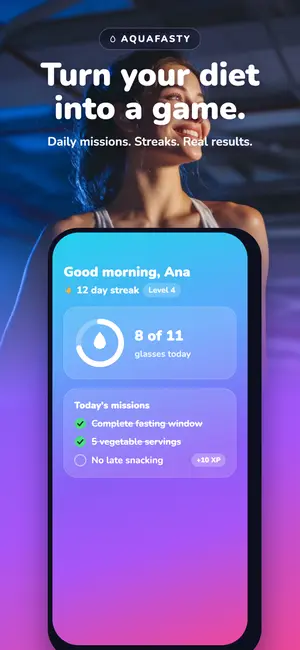
The simplest way to actually hit your water goal is to track it, because what gets measured gets done. This is where Aquafasty shines. It helps you build a hydration and diet routine you can actually keep, tracking your water alongside your eating so the whole picture works together instead of in isolation. Seeing your progress fill up during the day is a surprisingly strong nudge to reach for the bottle.
See how it fits into your routine: Aquafasty.
A Few Honest Caveats
More water is good, but there is such a thing as too much in a short time, which is rare but real. You do not need to force liters down in one sitting. Spread it across the day and let thirst plus the pale-yellow rule guide you.
And remember, water supports weight loss, it does not replace the fundamentals. You still need reasonable eating and some movement. Hydration just makes both of those easier to pull off.
The Bottom Line
Drinking enough water is the lowest-effort, highest-return habit in your weight loss toolkit. Aim for roughly two liters a day, more when you are active, drink a glass before meals, and use water to test whether a craving is real hunger or just thirst.
Keep a bottle in sight, track it so it sticks, and let this quiet habit support everything else you are doing. It will not do the work for you, but it makes all the other work easier.
Written by PG App Studios
An independent app studio in the Algarve run by Pedro Gregório. We write about the problems our apps solve, from learning European Portuguese to raising a toddler.